Episode 123: The Creativity Choice: Why Perfectionism Kills Creativity (and How to Get Past Version 1.0) with Dr. Zorana Ivcevic Pringle
Podcast
Episode 123: The Creativity Choice: Why Perfectionism Kills Creativity (and How to Get Past Version 1.0) with Dr. Zorana Ivcevic Pringle
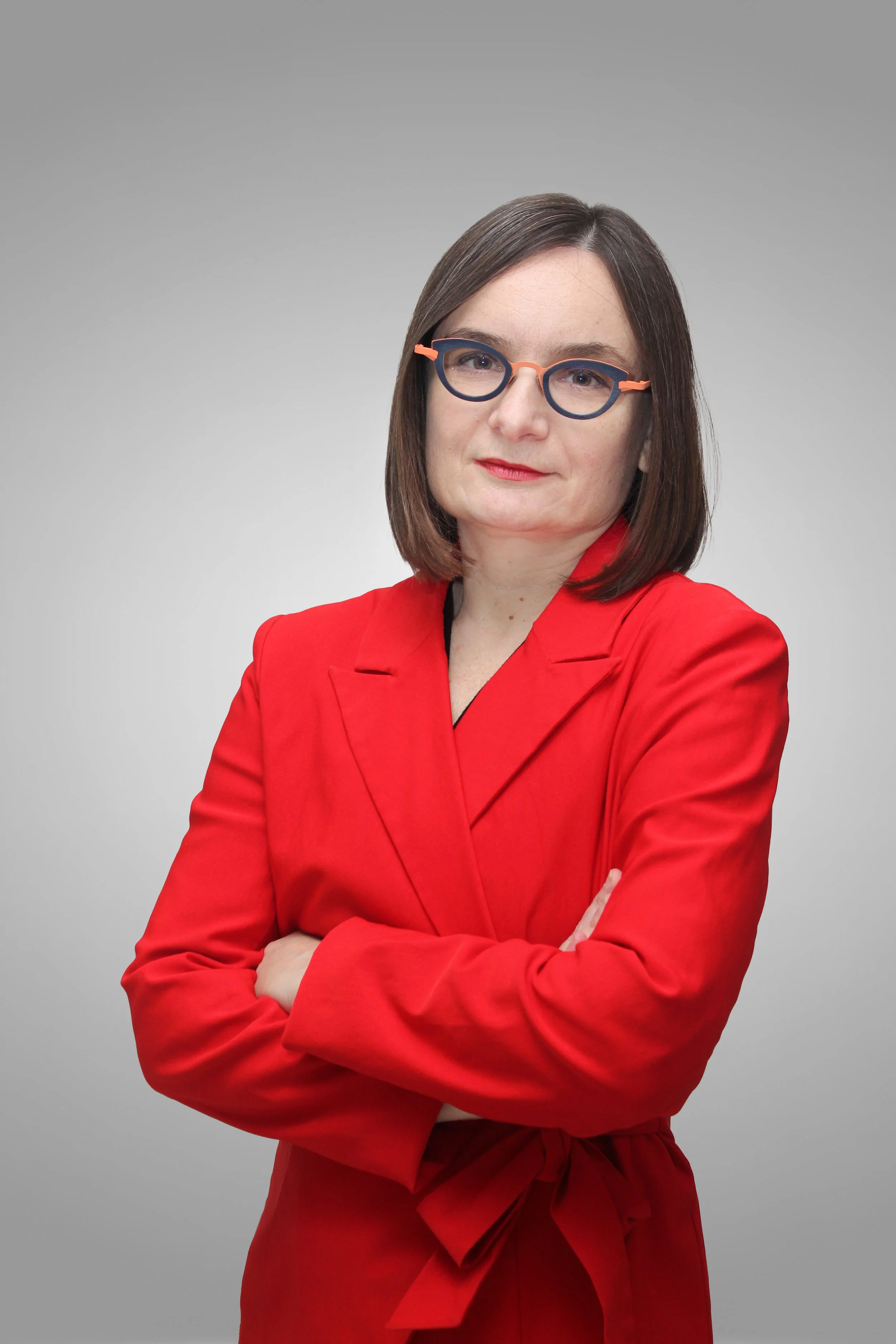
“If you wait for perfection, you give yourself nowhere to start.” — Dr. Zorana Ivcevic Pringle
This episode explores perfectionism, visibility, and why waiting for the “perfect” version can halt creativity altogether. I’m joined by Dr. Zorana Ivccvic Pringle, Senior Research Scientist at the Yale Center for Emotional Intelligence, and author of The Creativity Choice.
Zorana shares a science-backed definition of creativity that moves beyond talent or artistic identity. We dive deeply into the role of questions in the creative process. She explains why first ideas are often the most obvious and how developing 1.0 versions require time, effort, and openness to change.
This conversation is for anyone who feels stuck, overwhelmed, or unsure where to begin. Zorana reminds us that creativity is not about waiting for inspiration, it’s about choosing to engage, asking better questions, and staying with the creative process.
Questions to Reflect On:
Leave a comment Substack or reach out on Linkedin Carla Contreras or Dr. Zorana Ivcevic Pringle to share your takeaway from the episode.
How do I personally define creativity beyond artistic expression?
Where in my daily life am I being creative? In what ways do I overlook my own creative thinking, problem-solving, or communication?
What assumptions do I hold about who is “allowed” to be creative? Where did these beliefs come from? How have they shaped the way I show up or hold myself back?
What version 1.0 idea have I been avoiding sharing? What am I afraid will happen if I let it be imperfect and visible?
What would happen if I let go of perfectionism? What would “good enough to start” look like instead?
Listen to the episode on Apple Podcasts and Spotify, or on your favorite podcast platform while you cook, clean, or create. Get the full show notes & transcript below.
xo Carla
PS: Upgrade to Nourished Creator Studio for quick-hit micro workshops, BTS Podcast, and simple tools to help you work on your creative dreams now, not someday.
Disclaimer: Always seek the counsel of a qualified medical practitioner or other healthcare provider for an individual consultation before making any significant changes to your health, lifestyle, or to answer questions about specific medical conditions. If you are driving or doing an activity that needs your attention, save the energy practice for later. This podcast is for entertainment and information purposes only. Note: Some of these are affiliate links. I receive a small percentage of the sales. I appreciate your support of my small Latinx & women owned business.
SHARE THE PODCAST
Wherever you are listening, please rate, review + subscribe to Nourishing Creativity. Send the podcast to your friends, post in your stories on Instagram & tag me @chefcarlacontreras
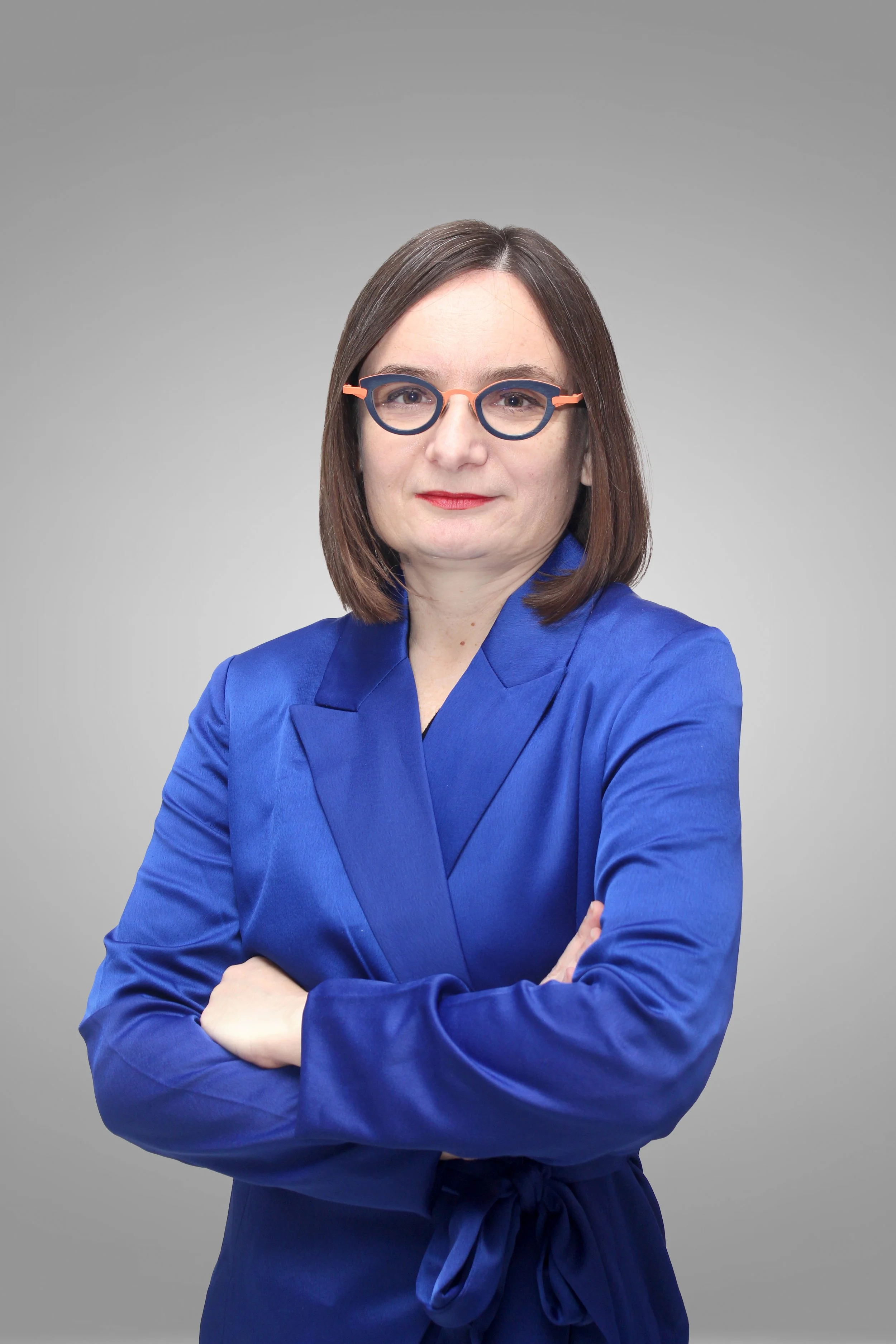
Dr. Zorana Ivcevic Pringle
Zorana Ivcevic Pringle, Ph.D., is a Senior Research Scientist at the Yale Center for Emotional Intelligence and the author of The Creativity Choice.
Zorana studies the role of emotion, emotional intelligence, and self-regulation in creativity and well-being, as well as how to use the arts (and art-related institutions) to promote emotion and creativity skills.
Find + Read Dr. Zorana’s Work:
Full Transcript:
Carla (00:01):
Welcome to Nourishing Creativity. The cycle of the last few years has left you and me feeling mentally, physically, emotionally, and creatively drained. Nourish your very full life through interviews with creatives and entrepreneurs about how they create and move through their creative blocks. If you don't know me, I'm Chef Carla Contreras, a food stylist and content strategist. You can find me Chef Carla Contreras across all social media platforms and more information in today's show notes. Zarana, welcome to the podcast. I'm so grateful to have you here. Can you introduce yourself and how you serve your community?
Dr. Zorana Ivcevic Pringle (00:47):
Thank you first for having me, Carla, and I'm very excited to speak to you and your audience. I am a research scientist. I am a psychologist by training and I study creativity. My latest book is The Creativity Choice, and it is a journey on how we get started once we have those great ideas and once we decide to get going, what are the strategies we need, how to persist, because it is going to be a roller coaster. And then finally, not to forget that there is a social side to creativity that can be harnessed for greater breakthroughs and for more effective work.
Carla (01:32):
Before we get into creativity, let's chat about your last meal. I know you like to cook. What did you eat?
Dr. Zorana Ivcevic Pringle (01:39):
Well, my last meal was a brand new pasta dish. Pasta is a very comfort food thing for me. It was orrequiete with peas, pancetta, lemon, and mint. Ooh, this sounds delicious. It's very fresh and it makes you stop and open up.
Carla (02:03):
Beautiful. Can you share with us what your definition of creativity is through the lens of a scientist that studies creativity?
Dr. Zorana Ivcevic Pringle (02:14):
I love that we are starting with this question because we all think we know what creativity is and we do intuitively, but if you had to put it into words, it would be hard to do it. Scientists define creativity as including two different things, as including something that is original, but also in some ways effective. And that effective depends on your goal. So if you're an artist, something that is effective is going to get a reaction from your audience. If you are a chef, it's going to be that surprise and that delight. And if you are a scientist, it's going to be answering some kind of question that you have in a way that is reliable.
Carla (03:03):
How do questions relate to creativity?
Dr. Zorana Ivcevic Pringle (03:06):
Scientists call this process of question asking problem of finding. And I always thought that this was little bit of a misleading term because it's not like, oh, you find a problem, you ask a question and then you are done. No, it is a continuous process of looking at whatever you're working on from different angles and saying, "What if? What if I look at it in this way?" By not settling, but asking a question how you can look at it from a different way. And as you look at it from different angles and as you ask different questions, different kinds of solutions and ideas are going to emerge too, and you will end up with a better product.
Carla (03:53):
That's fascinating. What is your current relationship with creativity? How has your relationship to creativity shifted since the book tour?
Dr. Zorana Ivcevic Pringle (04:05):
Ooh, I love that question because it is really focusing where I am putting my personal creative efforts right now, and that is in communication. I joke that I am very ... It's a joke, but it's true too, that I am very motivated by frustration. I am motivated by noticing something out there that does not quite fit, something that is misunderstanding or miscommunication. And I have realized that there are many messages about creativity in our culture that are not helpful, that can lead people astray. And my creative effort right now is really focused how do we find the words that are going to click with people so they understand the process and they don't get discouraged from it.
Carla (04:56):
And what do you find that is out there that is unhelpful when it comes to creativity?
Dr. Zorana Ivcevic Pringle (05:03):
A number of things. So there are a number of these floating myths about creativity. The number one is probably that creativity is about arts. As about art, maybe design, perhaps something like development or marketing, but a very limited set of fields that are assumed to be creative. We even have the noun creatives to denote people who are in these fields or in these roles. And that is not so. Lots of people, pretty much regardless of what they are doing, have the capacity to be creative, and this notion is limiting us. And another very big one is this idea that when we are striving for something creative, that the first ideas when we are struck out of the blue are going to be most creative. That is pretty much exact opposite to reality. We think there was a study recently that showed that about 70% of people across six different countries around the world think that first ideas are the most creative, but the first ideas are actually most obvious.
(06:23)
You thought of them first because they are very clear in your mind. They are already clear in your mind. So if I say night, you're going to say they. If I say chair, you're going to say table. These are going to be first associations. They're going to be the obvious ones. But if you continue, put additional effort, you are going to come up with more interesting and unusual things.
Carla (06:53):
And does this relate to 1.0 versions?
Dr. Zorana Ivcevic Pringle (06:57):
This exactly relates to 1.0 versions. When you start your creative process, you might have a vision, you might have an idea, you might have something that is a 1.0, that doesn't mean it is bad. Usually means there is a kernel of something there, but that kernel has to be developed. And in the process of creation and development, it ends up changing. I was writing a book and I thought that I had a very clear idea what is going to be in the book, but there are things that have changed in the process. I have realized that some chapters had to be split into two. I have realized that the whole new topic was necessary and that develops as you work and as people give you feedback, you learn in the process. And if you stay open, you can build something surprising and delightful and helpful.
Carla (07:55):
And I'm curious here, is it worth the 1.0 versions? Because sometimes when I'm working with someone, say on their Substack publication, their website, or any other creative social content idea, they get caught up in this idea of it being perfect. Can you talk about perfection and creativity?
Dr. Zorana Ivcevic Pringle (08:21):
The idea of perfection is going to stop creativity. If you need it to be perfect first, then you are not going to have a place to start. If you start with version 1.0, it can be there. You can start learning, you can start getting feedback, you can start revising based on that feedback. If you strive for perfection first, you might even, in your mind, get to something perfect. Let's imagine that to be the case, but you didn't get feedback from the outside. You didn't let it live in the world and the world is really where you want to present it and where you want it to live and only with feedback from the real world, you'll be able to develop it further. So there really is no point in waiting for that perfect version. That does not mean first version is good enough and you should just abandon all additional effort.
(09:28)
It means it is a version from which you start and then continue testing.
Carla (09:35):
I am curious about your own creative process.
Dr. Zorana Ivcevic Pringle (09:39):
The number one process is being open, open to new ideas, even when you already have some ideas that you are wedded to and that you are excited about and also being aware and accepting the social side of creativity and taking advantage of it. So even something that seems like a solitary activity, writing a book, I was the only one writing the book. So you can say, "Well, in this case, it is not a social process because you are the only one doing it, but it actually is in some hidden ways." And it is because you are working with editors, you are working with maybe some test readers and it is completely normal to have the first reaction to people's comments you do not understand, but then you have to stop yourself and not send that email or not other the words, but pause. And as you pause, give yourself space that is going to take the emotional edge off and also give you the ability to really consider and think about what that feedback was and then revise.
(11:02)
Go from that version 1.0 to version 2.0 and eventually get to version maybe 5.0. Depends what this particular instance needs.
Carla (11:14):
And for being visible, going on podcasts, putting yourself out there for interviews, is there a creative process that was involved in that side of the book process?
Dr. Zorana Ivcevic Pringle (11:26):
Great question because we often fail to ask that. Yes, the book came to be the moment it was published, but the life of the book, it really includes much more. It includes the way we talk about it, what becomes interesting to people from it, and that can be a surprising process for the author and the process of growth, coming back to that idea, how you nourish your own creativity. I have learned in working with journalists who have interviewed me, working with podcast hosts who have asked different kinds of questions, different angles, how to look at my own work, different ways of summarizing it, and also different ways of talking about it for different audiences. The book is relevant for people who are designers. The book is relevant to people who are working in education and also relevant to people who are working with all kinds of business from starting businesses, running your own business, to working in large organizations.
(12:41)
And each of these groups of people have different words and different angles that are going to be of most interest.
Carla (12:53):
Let's get into creative blocks. And I'm curious through my research and studying of your book and also the media that is circling the book, that this was almost not its own chapter. Can we talk about that and how it evolved?
Dr. Zorana Ivcevic Pringle (13:15):
This was my own blindside. It is one of those instances where when I was asked whether there was going to be a chapter on creative blog, I realized that I did not think of it. And the reason I didn't think of it was that everything else that is part of the book, talking about a process of asking questions, constructing problems from different perspectives, talking about the emotional side of creativity, how we can both use the emotions as tools for creativity, and then also nudge them in different directions if they are in our way, and also the part of the social process of creativity. These all come into play in dealing with creative blogs, but I have realized from listening to people and listening to people's questions, that it would really be helpful to put it all in one place to say, "In this case, when you are facing a creative blog, you will need to use everything else you have learned in this book.
(14:29)
Let me take you now step by step, because right now, what you are experiencing is a sense of such overwhelming frustration that although you have learned all those other things, you don't know where to start. Let me help you with taking the first steps."
Carla (14:49):
And for someone who is going through the steps, what is the one thing that you would like them to take away from this book?
Dr. Zorana Ivcevic Pringle (15:00):
So for about the creative blog in particular, I want them to take that it's a process. The definition, start with remembering the definition and reminding yourself the definition of the creative blog. The scientific definition of the creative blog is lack of progress towards a goal that is not, and I repeat, is not due to your lack of ability. You have the ability, but something has happened that has stolen the process. So remind yourself, because sometimes we accuse ourselves, we say, you should have known, you could have known you are not really capable. That is not true. And once you remind yourself, you can use one other trick, one other trick, very practical strategy from emotion science. And that is flipping a question, not asking how are you feeling and what are all the things that you are saying to yourself in that moment, but imagining that this is not happening to you.
(16:12)
Imagine that this is happening to a close friend of yours and they came to you and told you what is going on. How would you react? Would you tell them they should have known better? Would you tell them that maybe they cannot do it after all? Chances are you will not. You are going to show them kindness. And if you try to show even some little kindness to yourself, you will start numbing that sharp edge of frustration and sense of being overwhelmed in the creative blog, and then you will be able to use all those strategies that broaden your thinking.
Carla (17:00):
What is the question that we can come back to that will always bring us back to creativity?
Dr. Zorana Ivcevic Pringle (17:08):
The first question to ask ourselves if we want to boost our creativity is very counterintuitive. It is, how can I look at this creatively? We believe that you cannot rush creativity. We believe that creativity, you cannot demand creativity, but the truth is rather different. It is actually the case that when we are intentional and we strive for creativity purposefully, we are better able to do it. It takes effort and it is not going to be the first thing that comes to mind that is going to be the best idea, but reminding yourself will nudge you to keep asking questions and that nudge to keep asking questions and look at your issue from different problems will then start building ideas, generating new solutions and that ultimately will make you more creative. Amazing.
Carla (18:14):
Thank you so much, Zorana, for coming on the podcast. How can we find you? How can we work with you? How can we support you?
Dr. Zorana Ivcevic Pringle (18:23):
Well, the way that we have met is through Substack. So I write the creativity decision. That is one place where people can find me and where people can regularly get my writing and also the personal website. And then there is a link to my book where you can learn how to get started, how to get going and how to make it consistent.
Carla (18:49):
Thanks so much for tuning in to Nourishing Creativity. You can find me Chef Carla Contreras across all social media platforms and more information in today's show notes. While you have your phone out, please leave a review on iTunes or Spotify. This is how others find this show. I really appreciate your support, sending you and yours so much love.